

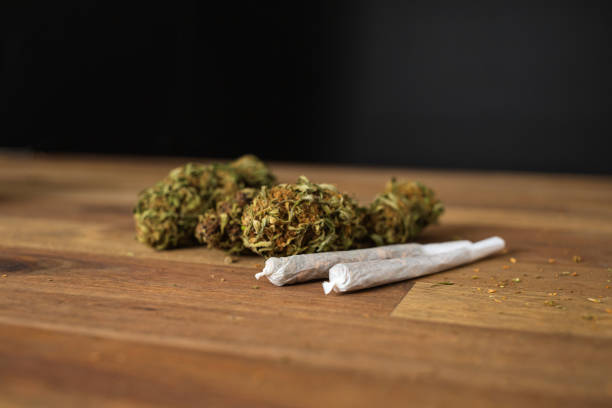
When purchasing cannabis, selecting high-quality products is essential for enjoying an optimal experience. Whether you’re a seasoned consumer or a first-timer, understanding what to look for can make all the difference. Here’s a guide to help you evaluate cannabis quality like a pro.
Key Factors to Evaluate Cannabis Quality
- Look for vibrant colors such as deep green with hints of orange, purple, or red hues.
- Buds should be coated in a frosty layer of trichomes (the tiny, crystal-like structures).
- Avoid buds that appear brown, discolored, or overly dry as these may indicate age or poor quality.
- High-quality cannabis emits a strong and distinctive scent due to its terpene profile. Aromas can range from fruity and floral to earthy and piney notes.
- A musty or hay-like smell may indicate that the bud is old or improperly cured.
- Trichomes not only contribute to aroma and flavor but also contain cannabinoids such as THC and CBD.
- Use a magnifying glass if possible; densely packed trichomes are often indicators of potency.
- Premium cannabis should feel slightly sticky but not wet when handled.
- Overly dry buds may crumble too easily, while overly moist ones risk mold development.
- Indica strains tend to have dense, compact buds while Sativa strains are often light and fluffy.
- Well-trimmed buds indicate attention to detail during processing.
Common Mistakes When Buying Cannabis
Avoid these common pitfalls: – Purchasing without inspecting: Always request visual confirmation before buying. – Ignoring lab test results: Reliable providers offer certificates verifying cannabinoid content and safety testing for contaminants like pesticides or mold. – Prioritizing price over quality: Cheaper options often sacrifice quality or potency.
A Quick Comparison Table: High vs Low-Quality Cannabis
| Feature | High-Quality Cannabis | Low-Quality Cannabis |
| Color | Vibrant green with accents (orange/purple) | Dull brown or yellowish tones |
| Aroma | Strong, distinct scent (fruity/earthy/spicy) | Faint smell or musty odor |
| Trichome Coverage | Dense layer visible even without magnification | Sparse trichome coverage |
| Texture | Slightly sticky but firm | Too dry (crumbles) or too wet (mold risk) |
| Structure | Well-trimmed with appropriate density | Loose leaves and uneven trim |
Why Quality Matters
Choosing premium cannabis isn’t just about aesthetics—it directly impacts your overall experience: – Potency: High-quality buds generally deliver more consistent effects due to balanced cannabinoids and terpenes. – Safety: Lab-tested products reduce the risk of contamination by harmful substances. – Flavor & Aroma: Premium options offer richer profiles which enhance enjoyment during use.
By paying attention to these factors during your purchase process, you’ll be better equipped to identify high-quality cannabis that aligns with your needs and preferences.
Exploring the Park Slope Marijuana Dispensary: How Terpenes Enhance Aromatherapy with Essential Oils
Terpenes are an integral part of the cannabis plant, known not only for their role in producing distinctive aromas but also for their potential therapeutic benefits. When combined with essential oils in aromatherapy, terpenes can enhance the overall experience and contribute to both physical and mental well-being. Understanding how these compounds interact is key to leveraging their full potential.
What Are Terpenes?
Terpenes are naturally occurring chemical compounds found in many plants, including cannabis. These molecules are primarily responsible for giving plants their unique scents and flavors. In cannabis, they play a vital role in shaping its therapeutic profile by interacting with cannabinoids like THC and CBD.
| Terpene | Aroma/Flavor | Potential Benefits |
| Myrcene | Earthy, musky, herbal | Relaxation, sedation |
| Limonene | Citrus-like | Uplifting mood, anti-anxiety |
| Pinene | Piney | Alertness, improved focus |
| Linalool | Floral (lavender) | Stress relief, anti-inflammatory |
| Caryophyllene | Spicy or peppery | Pain relief, anti-anxiety |
These terpenes can work synergistically with essential oils used in aromatherapy to enhance specific effects.
The Role of Terpenes in Aromatherapy
- Lavender oil contains linalool, which is known for its calming properties.
- Lemon oil contains limonene, which is uplifting and invigorating.
- Eucalyptus oil contains pinene-like compounds that improve focus and respiratory function.
When combined with cannabis terpenes, these effects may be amplified due to a phenomenon called the “entourage effect.” This refers to the way cannabinoids and terpenes interact synergistically to produce effects greater than when used individually.
Practical Applications
- Use a combination of myrcene-rich cannabis strains with lavender or chamomile essential oils.
- This pairing promotes relaxation and helps ease anxiety after a long day.
- Pair limonene-dominant strains with lemon or peppermint essential oils.
- This combination stimulates alertness and enhances your ability to concentrate.
- Combine caryophyllene-rich varieties of cannabis with eucalyptus or clove oil.
- Both caryophyllene and these essential oils have anti-inflammatory properties that may assist with pain relief.
- Use linalool-heavy strains alongside jasmine or sandalwood essential oils.
- These combinations create a soothing environment conducive to better sleep quality.
Safety Considerations
- Ensure you’re using high-quality products free from harmful contaminants.
- Avoid overexposure; concentrated aromas may irritate sensitive individuals.
- Always consult a healthcare professional if you’re combining aromatic therapies alongside other treatments.
By understanding the science behind terpene interactions with essential oils, consumers can tailor aromatherapy experiences suited to their needs while exploring the therapeutic potential of cannabis beyond traditional consumption methods.
Exploring Aromatherapy: How the Park Slope Weed Store Highlights Terpenes and Essential Oils
Terpenes are naturally occurring aromatic compounds found in plants, including cannabis, responsible for their distinctive scents and flavors. In recent years, there has been growing interest in how terpenes interact with essential oils to influence therapeutic effects in aromatherapy. Understanding this interaction can provide valuable insights into the potential benefits of cannabis-derived terpenes when combined with other essential oils.
What Are Terpenes?
- Myrcene: Known for its earthy and musky scent, myrcene is thought to promote relaxation.
- Limonene: A citrusy terpene believed to elevate mood and reduce stress.
- Pinene: Found in pine needles, pinene is often associated with increased focus and alertness.
- Linalool: Floral in aroma, linalool may have calming properties.
- Caryophyllene: A spicy terpene that may interact uniquely with the body’s endocannabinoid system.
Each terpene has distinct chemical properties that influence how it interacts with other compounds.
Essential Oils and Aromatherapy
Essential oils are concentrated plant extracts used primarily for their aromatic and therapeutic benefits. Commonly used essential oils include lavender, peppermint, eucalyptus, lemon, and tea tree oil. While each oil has unique properties, their effectiveness often depends on individual chemical components such as terpenes.
The practice of aromatherapy leverages these natural compounds to improve physical or emotional well-being by inhaling or applying diluted essential oils. For example: – Lavender oil (rich in linalool) is used for relaxation. – Lemon oil (containing limonene) is employed for mood enhancement.
How Terpenes Interact With Essential Oils
Research suggests that combining specific cannabis-derived terpenes with complementary essential oils can amplify desired effects through a phenomenon known as the entourage effect. The entourage effect refers to the synergistic interaction between various plant compounds that enhance their overall impact.
For example: | Terpene | Paired Essential Oil | Potential Effect | |—————–|————————|————————————-| | Linalool | Lavender | Enhanced relaxation and stress relief | | Limonene | Lemon or Grapefruit | Increased energy and mood elevation | | Pinene | Eucalyptus | Improved focus and respiratory support | | Myrcene | Chamomile | Deeper physical relaxation |
These combinations suggest a promising avenue for tailoring aromatherapy treatments using both cannabis terpenes and traditional essential oils.
Potential Applications
- Stress Management: Combining linalool-rich strains of cannabis with lavender oil may help reduce anxiety levels more effectively than either compound alone.
- Focus Enhancement: Pinene from cannabis paired with eucalyptus oil could benefit individuals seeking mental clarity during work or study sessions.
- Sleep Support: Myrcene-dominant strains alongside chamomile or valerian root oil might assist individuals struggling with sleep disorders.
Key Considerations
While these interactions show promise, quality control is critical when sourcing both cannabis products and essential oils: – Always choose pure and tested products free from contaminants like pesticides or synthetic additives. – Consult a professional before integrating terpene-based therapies into your wellness routine if you have underlying health conditions or sensitivities.
By understanding how terpenes interact with essential oils, users can take a more targeted approach toward harnessing the potential benefits of aromatherapy enhanced by cannabis science.

Discover Insights on Digestive Health at a Park Slope Cannabis Shop
Cannabis has emerged as a topic of significant interest in the medical community, particularly for its potential to aid individuals experiencing digestive issues. While research is still evolving, early studies suggest that certain compounds within cannabis, particularly cannabinoids like THC (tetrahydrocannabinol) and CBD (cannabidiol), may have therapeutic applications in managing various gastrointestinal conditions. Below is a detailed exploration of this subject based on current studies and scientific insights.
How Cannabinoids Impact the Digestive System
- Reducing inflammation: Inflammation is a key factor in conditions like Crohn’s disease, irritable bowel syndrome (IBS), and ulcerative colitis. Studies suggest that cannabinoids can modulate immune response and reduce GI inflammation by acting on CB2 receptors.
- Relieving nausea and vomiting: Cannabis has long been recognized for its anti-emetic properties, making it a potential remedy for individuals suffering from nausea due to chemotherapy or other underlying conditions.
- Regulating gut motility: Abnormal gut motility can lead to symptoms like diarrhea or constipation. Research indicates that cannabis may help regulate intestinal contractions through interactions with CB1 receptors.
- Modulating pain perception: Chronic abdominal pain is common in many GI conditions. Cannabinoids may reduce pain perception by interacting with neural pathways linked to the ECS.
Conditions That May Benefit from Cannabis Usage
- Symptoms such as bloating, abdominal discomfort, and irregular bowel habits may be alleviated through ECS modulation.
- Some patients report reductions in symptom severity when incorporating CBD oil into their routine.
- Preliminary studies suggest that THC-rich cannabis extracts could help reduce inflammation and improve quality of life for individuals suffering from inflammatory bowel diseases (IBD).
- Although limited research exists specifically on GERD, anecdotal evidence suggests that cannabis may ease esophageal discomfort by reducing muscle spasms.
- Cannabis-derived medications like Dronabinol are already approved for treating chemotherapy-induced nausea and stimulating appetite in severe cases like HIV/AIDS-related wasting syndrome.
Potential Risks or Side Effects
While promising, cannabis use requires careful consideration due to potential risks or side effects that could affect digestive health negatively: – Dry mouth or reduced saliva production – Increased risk of dependence with prolonged use of THC-heavy products – Potential exacerbation of acid reflux symptoms when smoked or vaped
Table: Comparison Between CBD and THC Effects on Digestion
| Aspect | CBD | THC |
| Psychoactivity | Non-psychoactive | Psychoactive |
| Anti-inflammatory Benefits | Strong evidence | Moderate evidence |
| Pain Relief | Moderate | Strong |
| Regulation of Gut Motility | Promising but under-researched | More established research |
The Future of Research
Ongoing clinical trials aim to address gaps in our understanding of how cannabinoids interact with the digestive system at both molecular and symptomatic levels. Researchers are optimistic about using targeted formulations—such as high-CBD strains or balanced ratios of THC:CBD—to develop safer therapeutic options tailored for specific GI disorders.
By advancing scientific knowledge around this complex interaction between cannabis compounds and human physiology, there is hope for more effective treatments tailored toward managing digestive health concerns responsibly.
Understanding Trichomes: Why They Matter When Evaluating Cannabis Quality
Trichomes play a crucial role in determining the quality, potency, and overall experience of cannabis. These tiny, hair-like structures that coat the surface of cannabis flowers hold the plant’s most valuable compounds, including cannabinoids and terpenes. Learning to assess trichomes can help consumers make informed choices and better evaluate the cannabis they consume.
What Are Trichomes?
Trichomes are small resin glands found on the surface of cannabis plants. They serve multiple purposes: – Cannabinoid Production: Trichomes house cannabinoids such as THC (tetrahydrocannabinol) and CBD (cannabidiol), which contribute to the effects of cannabis. – Terpene Storage: These structures also contain terpenes, which influence aroma, flavor, and potential therapeutic benefits. – Natural Defense: In nature, trichomes protect cannabis plants from pests, UV rays, and environmental stress.
There are three primary types of trichomes on cannabis plants: 1. Bulbous Trichomes: The smallest type; often difficult to see with the naked eye.
2. Capitate Sessile Trichomes: Medium-sized trichomes that sit directly on the plant’s surface without a stalk.
3. Capitate-Stalked Trichomes: The largest and most significant type for evaluating quality; these are visible as frosty crystals coating premium buds.
Why Do Trichomes Matter?
- Potency: Higher concentrations of trichomes generally mean greater cannabinoid content.
- Flavor & Aroma: Rich terpene profiles housed in trichomes enhance both flavor and aroma.
- Freshness: Healthy-looking trichomes indicate freshness; degraded or amber-colored trichomes may suggest aging or improper storage.
How to Evaluate Trichome Quality
- Look for a thick layer of visible crystals coating the flower. Dense coverage is often a sign of potent buds.
- High-quality buds have mostly clear or milky-white trichome heads rather than overly amber or darkened ones.
- Amber-colored heads could indicate that the cannabinoids have begun degrading.
- Check for intact trichome heads under magnification (e.g., using a loupe or microscope). Broken or missing heads may reduce potency and terpene levels.
- Well-preserved buds feel sticky to touch due to an abundance of resin-rich trichomes.
Table: Ideal Trichome Characteristics
| Attribute | Indication |
| Density | Thick frosting = High potency |
| Color | Clear/Milky = Optimal maturity |
| Integrity | Intact heads = Preserved cannabinoids & terpenes |
| Stickiness | Resinous texture = Freshness & quality |
Tips for Buyers
To ensure you’re selecting high-quality cannabis: – Use a magnifying glass or jeweler’s loupe when purchasing flower from dispensaries. – Choose providers with proper cultivation practices that prioritize preserving cannabinoid-rich resin glands during harvest. – Be cautious about overly dry buds which may result in brittle, damaged trichome heads.
By paying attention to these tiny but powerful structures, consumers can better identify top-tier products aligned with their preferences and needs.
Aroma and Flavor Profiles in Cannabis: What They Tell You About Quality and Effects
The aroma and flavor of cannabis are more than just sensory experiences—they are key indicators of the plant’s quality, potency, and potential effects. These characteristics are largely driven by terpenes, the aromatic compounds found in cannabis that not only influence its scent and taste but also contribute to its therapeutic effects. Understanding aroma and flavor profiles can help consumers make informed decisions when selecting premium cannabis.
The Role of Terpenes in Aroma and Flavor
- Myrcene: Earthy or musky aroma; linked to relaxing sedative-like effects.
- Limonene: Citrus-like scent; associated with uplifting or energizing properties.
- Pinene: Pine-like aroma; believed to promote alertness.
- Linalool: Floral fragrance; known for calming or stress-relieving traits.
- Caryophyllene: Peppery and spicy notes; interacts with the endocannabinoid system for potential anti-inflammatory benefits.
How Aroma Reflects Quality
- A weak or nonexistent smell may indicate poor terpene preservation or low-quality cultivation practices.
- A pungent or unpleasant odor (such as mildew) could suggest improper storage or contamination.
When evaluating aroma: 1. Take note of any distinct scents—are they citrusy, skunky, earthy, sweet?
2. Avoid buds that smell damp or overly chemical, as these may be signs of mold or pesticide residues.
Flavor Profiles as a Marker of Premium Cannabis
| Flavor Profile | Example Strains | Common Terpenes |
| Citrus | Super Lemon Haze | Limonene |
| Earthy/Woody | Northern Lights | Myrcene |
| Sweet | Gelato | Linalool/Myrcene |
| Spicy/Herbal | AK-47 | Caryophyllene |
Poorly cultivated buds may taste bitter or chemically treated due to residual fertilizers or pesticides.
The Connection Between Aroma/Flavor and Effects
The experience provided by a cannabis strain isn’t solely determined by THC levels—aroma and flavor play an integral role through what’s called the “entourage effect.” This refers to how cannabinoids (like THC/CBD) interact with terpenes to create synergistic results.
For example: – Strains with high myrcene levels combined with moderate THC might produce intense relaxation. – Limonene-rich strains paired with CBD can result in both mood elevation and stress relief.
Tips for Choosing Based on Aroma & Flavor
- Always inspect buds closely before purchasing—if possible, ask to smell them first.
- Look for strains that align with your preferences (e.g., sweet flavors for relaxation vs citrus for energy).
- Consider lab-tested products that display detailed terpene breakdowns if available.
By paying attention to aroma and flavor profiles alongside visual inspections and lab results, consumers can better identify high-quality cannabis suited to their preferences while maximizing desired effects.
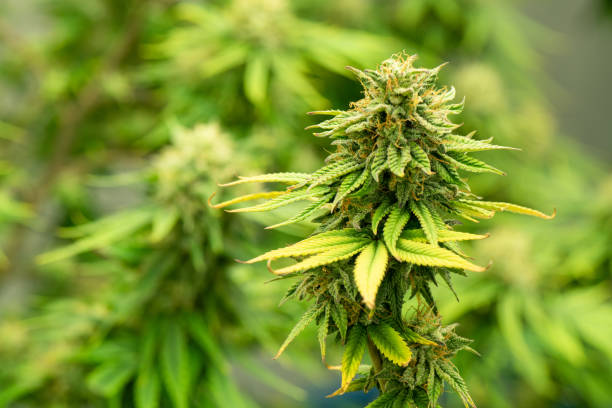
Color and Appearance in Cannabis: The Visual Indicators of Premium Buds
When evaluating the quality of cannabis, its visual appearance can reveal important details about its cultivation, potency, and overall condition. The color and structure of cannabis buds are often strong indicators of their quality and the care taken during their growth and harvest. Below is a guide to help you better understand how to assess cannabis based on its visual traits.
1. Color Spectrum: What to Look For
- Bright or deep green: A sign of healthy plants that were properly cultivated and cured.
- Yellowish-green: Could suggest improper drying or curing processes or nutrient deficiencies during growth.
- Some strains naturally exhibit purple hues due to anthocyanins (pigments activated by environmental factors like colder temperatures). This does not necessarily indicate higher potency but may relate to specific strain genetics.
- These are the pistils (reproductive parts of the flower) and are often an indicator that the bud is mature and well-developed.
- Discoloration or overly dark tones could suggest mold, age-related degradation, or improper storage conditions.
| Color Spectrum | Quality Indicator |
| Bright green | Healthy growth, good cultivation |
| Purple | Strain-specific genetics |
| Orange/red pistils | Mature buds |
| Brown/dull shades | Poor quality, potential degradation |
2. Trichomes: The Frosty Coating
- Dense layer of trichomes (“frosty” look): A high concentration of trichomes often signals potent cannabis with strong effects.
- Visible milky-white or amber heads on trichomes: These indicate full cannabinoid development, which enhances both potency and flavor profiles.
- Sparse trichome coverage: May point to immature buds with lower cannabinoid content.
3. Structure and Density
- Indica-dominant strains: Typically produce dense, tightly packed buds.
- Sativa-dominant strains: Often have a looser, airier bud structure.
- Watch out for overly dry or crumbly textures as this might suggest old stock or improper storage.
4. Signs of Poor Quality
- Dark spots resembling mold or mildew.
- Seeds within the bud (indicative of stress during plant growth).
- Stems with more mass than flower material—a sign you’re paying for weight without value.
By carefully examining these aspects, consumers can make more informed decisions about purchasing high-quality cannabis that aligns with their preferences for flavor, aroma, potency, and effects.
The Importance of Sourcing High-Quality Cannabis from Trusted Providers
Sourcing high-quality cannabis is critical for both recreational and medicinal purposes. The quality of cannabis directly impacts its efficacy, safety, and overall experience. Whether you’re a seasoned user or someone exploring the benefits of cannabis for the first time, obtaining your products from reliable and trusted sources ensures you’re getting the most value while avoiding potential health risks. Below is a breakdown of why sourcing matters and how to identify reputable providers.
Why Sourcing Quality Cannabis Is Important
- Reputable providers often adhere to stringent testing standards to ensure their cannabis is free from harmful contaminants such as pesticides, mold, heavy metals, or residual solvents.
- High-quality sources are more likely to disclose lab results or Certificates of Analysis (COAs), providing transparency about product contents.
- Trusted vendors consistently offer products with reliable levels of cannabinoids (e.g., THC, CBD) and terpenes. This consistency helps users achieve predictable effects.
- Licensed providers comply with local laws and regulations regarding cultivation, processing, labeling, and sale. Purchasing from these sources minimizes legal risks compared to buying from unregulated markets.
- Poor-quality cannabis may provide subpar effects due to low potency or poor handling during production and storage.
- High-quality products preserve terpene profiles, which enhance aroma, flavor, and overall satisfaction.
Indicators of a Trusted Cannabis Provider
| Criteria | Red Flags | Trusted Characteristics |
| Licensing & Legality | No proof of licensing; operates in legal gray areas | Verified license; operates within legal frameworks |
| Lab Testing | No lab results provided; vague ingredient lists | Clear lab reports available; full COA transparency |
| Product Selection | Limited strains; inconsistent product availability | Diverse strain offerings with detailed descriptions |
| Customer Reviews | Negative feedback about quality or safety | Positive reviews highlighting satisfaction |
Benefits of Working with Local Cannabis Dispensaries
- Access to Expertise
Licensed dispensaries often employ knowledgeable staff who can guide you toward products that align with your individual needs. - Freshness Guarantee
Locally sourced cannabis tends to be fresher because it spends less time in transit compared to imported options. - Support for Local Economies
Purchasing from local businesses strengthens the regional economy by supporting growers and retail shops within your community.
Questions to Ask Before Purchasing Cannabis
- Can I see the Certificate of Analysis for this product?
- How was this cannabis cultivated (e.g., organic vs conventional methods)?
- Are there any additives in this product?
By being informed about what makes a trusted provider stand out in the market, you can make decisions that prioritize both safety and quality while elevating your cannabis experience responsibly.
- Exploring the Best Cannabis Products at a Park Slope Weed Store
- How to Choose Quality Cannabis at a Park Slope Marijuana Dispensary
- Exploring Cannabis Highs: What to Expect from Flower, Concentrates, and Edibles at a Park Slope Marijuana Dispensary
- A Comprehensive Guide to Choosing Quality Cannabis at a Park Slope Dispensary
- A Comprehensive Guide to Finding Quality Cannabis at a Park Slope Marijuana Dispensary
- Exploring the Wide Range of Products at a Park Slope Dispensary
- How to Spot High-Quality Products at a Park Slope Marijuana Dispensary
- Tips for Finding Premium Cannabis at a Park Slope Dispensary