


By carefully assessing visual appearance, aroma, structure, and trichome density, you can determine whether the flower meets high standards. Below is a detailed guide to help you identify top-tier cannabis.
Visual Appearance
High-quality cannabis is typically vibrant and visually appealing.
- Color:Premium flowers often have a mix of deep green hues with accents of purple, orange, or red. These colors are influenced by genetics and growing conditions.
- Trim Quality:Properly trimmed buds should not have excess leaves or stems. This indicates care during harvest.
- Density:Dense and tight buds generally indicate good cultivation practices. However, some strains naturally produce fluffier flowers.
Avoid buds that appear brown, dry, or excessively leafy as these may be signs of poor quality or improper storage.
Aroma
The fragrance of cannabis provides important clues about its quality and terpene profile. A robust and complex aroma often indicates well-cultivated flower.
- Pungency:High-quality cannabis will emit a strong scent that matches its strain type (e. g. , citrusy for limonene-dominant strains or earthy for myrcene-heavy strains).
- Freshness:The aroma should feel fresh rather than musty or stale—a sign the flower hasn’t been exposed to excessive moisture or poor storage conditions.
If the smell is faint or noticeably off-putting (e. g. , ammonia-like or moldy), it’s best to avoid it.
Trichomes: The Crystal Coating
Trichomes refer to the tiny resin glands on the surface of cannabis flowers responsible for producing cannabinoids and terpenes. Their presence is a key indicator of potency and quality.
| Trichome Characteristic | What It Indicates |
| Frosty/Crystal Appearance | High concentration of cannabinoids |
| Cloudy/Milky Trichomes | Fully matured plant |
| Abundant Coverage | Intense potency and terpene richness |
Examine the flower under natural light or with magnification tools (such as a jeweler’s loupe) to assess trichome density and clarity.
Bud Structure
Bud structure varies depending on whether a strain is indica-dominant, sativa-dominant, or hybrid.
- Look for well-shaped calyxes that form compact clusters.
- Avoid buds that are overly airy (indicative of poor growing conditions).
- Ensure there are no visible seeds which can suggest stressed plants during cultivation.
Tips for Assessing Freshness
Freshness directly affects both flavor and potency over time.
- Moisture Content: The bud should feel slightly sticky but not wet; overly dry buds can crumble too easily.
- Storage: Quality cannabis should be stored in airtight containers in cool environments—avoid items packed in improper materials such as plastic bags.
By considering these features during your evaluation process, you can confidently identify premium cannabis flowers suitable for your preferences while avoiding subpar options that fail to deliver desired results.
Evaluating Cannabis Appearance at a Park Slope Dispensary: Bud Structure and Trichomes
When assessing the quality of cannabis, understanding the intricacies of bud structure and the role of trichomes is essential for connoisseurs and casual consumers alike. These two factors are more than just aesthetic details—they reveal vital information about the potency, flavor, and overall quality of a cannabis flower.
The Role of Bud Structure in Cannabis Quality
The structure of a cannabis bud can indicate its genetic lineage (sativa, indica, or hybrid) as well as its growing conditions.
- Indica-dominant strains:Typically dense and tightly packed buds.
- Sativa-dominant strains:Tend to be lighter and fluffier, with a more open structure.
- Hybrids:Exhibit traits from both indica and sativa strains, resulting in varied bud structures.
- Shape:
Indica buds are often rounder, while sativa buds tend to be elongated or cone-shaped. - Moisture Content:
Properly cured buds should feel slightly sticky but not wet or overly dry. Overly dry buds may crumble easily, while damp ones may indicate improper curing or potential mold growth.
What Are Trichomes?
Trichomes are microscopic, crystal-like structures covering the surface of cannabis buds. These tiny resin glands play a critical role in determining the quality of cannabis by housing cannabinoids (such as THC and CBD) and terpenes (responsible for aroma and flavor).
When evaluating cannabis appearance: – Coloration:Healthy trichomes appear milky-white or amber rather than clear (immature) or brown (degraded).Density:A thick layer of trichomes indicates high cannabinoid content.Clarity:Use a magnifying glass or jeweler’s loupe to examine them closely for optimal ripeness.
| Trichome Type | Location on Plant | Role |
| Capitate-Stalked | Found on flowers | Primary source of cannabinoids & terpenes |
| Capitate-Sessile | Smaller on leaves | Some cannabinoid presence |
| Bulbous | Found all over plant | Minimal cannabinoid content |
Indicators of High-Quality Cannabis
When combining observations about bud structure with trichome density, you can gauge whether you’re dealing with premium-level cannabis.
- Well-manicured buds free from excessive stems or seeds.
- Vivid coloration—greens with hints of purple, orange hairs (pistils), etc.
- Sparkling trichome coverage that appears frosty under light.
- Fresh yet pungent aroma indicative of well-preserved terpenes.
Understanding these visual cues enables you to make more informed decisions when selecting cannabis that aligns with your preferences for both potency and experience
Evaluating Cannabis Appearance: A Guide from a Park Slope Weed Store
When assessing cannabis quality, the visual appearance of the flower plays a significant role. Bud structure and trichome coverage are two of the most critical factors that cannabis connoisseurs evaluate to determine the quality, potency, and freshness of a product.
Understanding Bud Structure at a Park Slope Cannabis Shop
The structure of cannabis buds can reveal valuable information about the plant’s genetics, growth conditions, and curing process.
- Indica-dominant strains often produce dense, tightly packed buds. These compact flowers have a solid feel when handled.
- Sativa-dominant strains, on the other hand, tend to have lighter, fluffier structures with open formations.
- Well-cultivated buds should retain their natural shape without excessive trimming or damage from handling.
- Asymmetrical or overly compressed buds may suggest improper storage or low-quality cultivation techniques.
- High-quality cannabis often displays vibrant green hues with occasional purple, orange, or even pink tones. These colors are influenced by genetics and environmental conditions during growth.
- Brown or yellow discoloration may indicate age, poor curing methods, or mold contamination.
What Are Trichomes?
Trichomes are tiny glandular structures found on the surface of cannabis flowers. These crystal-like formations play a central role in producing cannabinoids (like THC and CBD) and terpenes that contribute to both potency and aroma.
Key Features of Trichomes:
- Healthy trichomes look like tiny translucent mushrooms under magnification. Each has a stalk with a bulbous head where cannabinoids and terpenes are concentrated.
- A frosty coating of visible trichomes is often an indicator of potent cannabis.
- Clear trichomes typically signify immature buds that lack full cannabinoid content.
- Milky or cloudy trichomes indicate peak cannabinoid production—ideal for harvesting.
- Amber-colored trichomes suggest a more matured state where THC may convert into CBN (Cannabinol), which can result in sedative effects.
- High-quality cannabis is usually covered in densely packed trichomes that form a sticky resin layer over the surface.
- Sparse or patchy trichome coverage might suggest low-grade flower.
| Trichome Color | Meaning | Recommended Use |
| Clear | Immature | Avoid harvesting; cannabinoids underdeveloped |
| Milky/Cloudy | Peak potency | Best for maximum THC/CBD concentration |
| Amber | Mature/oxidized | Ideal for relaxation-focused effects |
Tips for Evaluating Cannabis Appearance
- Use proper lighting—bright natural light works best—to accurately observe details like color variation and resin shimmer.
- Handle buds gently to avoid damaging fragile trichome heads that contain active compounds.
- If possible, use a magnifying glass or jeweler’s loupe to closely inspect the density and condition of trichomes.
By understanding bud structure alongside evaluating trichome development, you can make more informed decisions when selecting top-tier cannabis products tailored to your preferences.
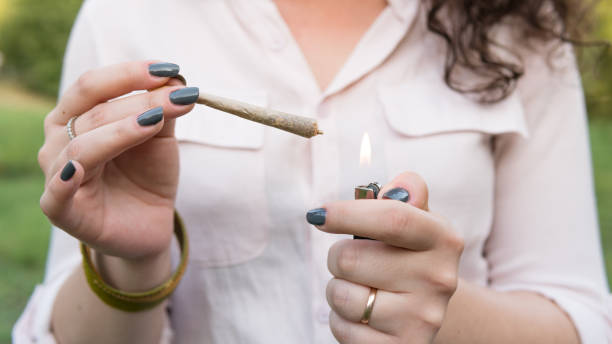
Choosing the Right Strain Based on Cannabinoid Content for Your Desired Experience
Selecting the right cannabis strain can significantly influence your overall experience and its potential benefits. Cannabinoid content plays a pivotal role in determining the effects of a particular strain. By understanding key cannabinoids and their impact, you can make informed decisions that align with your desired outcomes.
Understanding Cannabinoids and Their Effects
Cannabinoids are naturally occurring compounds found in cannabis that interact with the endocannabinoid system (ECS) in the human body. Each cannabinoid has unique properties that produce specific effects.
- Psychoactive compound responsible for producing a “high.
- Commonly associated with euphoria, relaxation, and appetite stimulation.
- May help with pain relief, nausea, and insomnia.
- Non-psychoactive compound known for its calming and therapeutic properties.
- Often used to manage anxiety, inflammation, seizures, and chronic pain.
- Known as the “mother cannabinoid” because it serves as a precursor to THC and CBD during plant growth.
- Potential anti-inflammatory, antibacterial, and neuroprotective effects.
- Formed when THC ages over time.
- Associated with sedation and promoting better sleep.
Factors to Consider When Choosing a Strain
- Desired Effect: Determine whether you’re seeking relaxation or energy:
- Higher THC strains are ideal for recreational use or managing severe pain.
- CBD-dominant strains are more suitable for stress relief or maintaining focus.
- Potency: Evaluate THC/CBD ratios:
- Balanced strains offer both psychoactive effects (from THC) and therapeutic benefits (from CBD).
- Medical Needs: Specific conditions may benefit from targeted cannabinoids: | Condition | Suggested Cannabinoids | |————————|—————————–| | Chronic Pain | THC & CBD | | Anxiety | CBD | | Insomnia | CBN & THC | | Appetite Stimulation | THC |
- Tolerance Level:New users should start with low-THC or high-CBD strains to minimize adverse reactions like anxiety or paranoia.
Popular Strains by Cannabinoid Profile
- High-THC Strains:Sour Diesel, Girl Scout Cookies, OG Kush.
- High-CBD Strains:Charlotte’s Web, Harlequin.
- Balanced Ratio Strains:Cannatonic (CBD:THC ratio of approximately 1:1).
Practical Tips When Selecting Your Ideal Strain
- Review lab-tested product labels to verify cannabinoid percentages.
- Experiment cautiously by starting with small doses if you’re new to cannabis.
- Consult knowledgeable dispensary staff or healthcare professionals when unsure about which strain suits your needs.
By focusing on cannabinoid content alongside personal preferences and tolerances, you can confidently select cannabis strains that best align with your desired experience—whether it’s enhancing relaxation or addressing specific health concerns without unwanted side effects.
Cannabis and Perimenopause: Exploring How the Endocannabinoid System Can Help Ease Symptoms
Perimenopause, the transitional period before menopause, often brings about a variety of physical and emotional symptoms that can significantly affect quality of life. Symptoms such as hot flashes, mood swings, insomnia, fatigue, and joint pain can be challenging to manage. Emerging research suggests that cannabis may offer support during this phase by interacting with the endocannabinoid system (ECS) to help ease these symptoms.
The Role of the Endocannabinoid System in Perimenopause
The ECS is a complex cell-signaling system in the human body responsible for maintaining homeostasis. It regulates numerous biological functions such as mood, sleep, appetite, pain response, and hormonal balance.
- Declining estrogen levels disrupt the functionality of the ECS.
- Key endocannabinoids such as anandamide may decrease with menopausal hormone shifts.
- These disruptions can contribute to common symptoms associated with perimenopause.
Cannabis compounds like cannabinoids (THC and CBD) mimic natural endocannabinoids in the body and can potentially restore balance to the ECS.
Common Perimenopausal Symptoms Cannabis May Address
Some women report finding relief from several perimenopausal symptoms by integrating cannabis products into their wellness routine.
- Hot Flashes and Night Sweats
Cannabis’s potential to regulate body temperature through interactions with the ECS could provide relief for those experiencing frequent hot flashes. - Cannabinoids like THC can promote sedation and relaxation conducive to sleep.
- CBD has shown promise in reducing anxiety-related insomnia without psychoactive effects.
- THC interacts with CB1 receptors in the brain to promote feelings of euphoria or calmness.
- CBD may modulate serotonin receptors to reduce anxiety or irritability.
- Pain Management (Joint/Muscle Aches)
Both THC and CBD have anti-inflammatory properties that could alleviate chronic pain associated with perimenopause. - Bone Health
Early studies suggest cannabinoids might play a role in improving bone density by supporting bone metabolism.
Choosing Cannabis Products for Perimenopause Relief
| Symptom | Recommended Cannabinoid Ratio | Suggested Method |
| Sleep Disturbances | Higher THC:CBD ratio | Edibles or Tinctures |
| Mood Support | Balanced 1:1 THC:CBD ratio | Oils or Capsules |
| Pain/Inflammation | Higher CBD:THC ratio | Topicals or Sublinguals |
Safety Considerations
- Begin low and go slow when trying cannabis for symptom relief.
- Consult a healthcare professional experienced in cannabinoid medicine if combining cannabis with existing medications.
- Opt for lab-tested products from reputable sources to ensure purity and consistent dosing.
Cannabis offers a promising avenue for addressing various aspects of perimenopausal discomfort through its interaction with the body’s endocannabinoid system. While further clinical studies are necessary to solidify its role as a therapeutic option during this transition period, many women are exploring its potential benefits under proper guidance.
How Cannabis May Support Wellness During Breast Cancer Awareness Initiatives
As the conversation around holistic health and wellness evolves, cannabis has garnered attention for its potential to support individuals during breast cancer awareness initiatives. While ongoing research continues to uncover the scope of cannabis’ therapeutic benefits, evidence suggests that it may offer supportive care for patients undergoing treatment, recovery, or managing cancer-related symptoms. Below is a breakdown of how cannabis may address some challenges faced by individuals affected by breast cancer.
Potential Benefits of Cannabis in Breast Cancer Wellness
- Cannabis may help alleviate chronic pain often associated with cancer and its treatments, such as surgeries and chemotherapy.
- Cannabinoids like THC (tetrahydrocannabinol) and CBD (cannabidiol) interact with the body’s endocannabinoid system to reduce pain perception.
- Studies indicate that cannabis-based products could be used as adjuncts to traditional pain management therapies, potentially reducing reliance on opioids.
- Chemotherapy-induced nausea and vomiting (CINV) are among the most common side effects faced by patients undergoing treatment.
- Both THC and CBD have been shown to possess antiemetic properties that can help control these symptoms.
- Medical cannabis formulations designed for nausea relief are often prescribed in states where medical marijuana is approved.
- Many individuals undergoing cancer treatment experience loss of appetite, leading to unintended weight loss or malnutrition.
- THC has been researched for its ability to stimulate appetite, promoting better nutritional intake during periods of medical treatment.
- A breast cancer diagnosis can take a significant toll on mental health, leading to anxiety, depression, or insomnia.
- CBD is commonly used for its calming effects without psychoactive properties and may assist with reducing stress levels.
- Full-spectrum cannabis products containing both THC and CBD may contribute to improved sleep quality in patients suffering from insomnia.
Terpenes: Enhancing Therapeutic Potential
Terpenes play a vital role in amplifying the therapeutic effects of cannabis through what’s known as “the entourage effect.
| Terpene | Potential Benefits | Found In Strains Like |
| Linalool | Anxiety and stress reduction | Lavender Kush |
| Myrcene | Sedative effects; improved sleep | Granddaddy Purple |
| Pinene | Anti-inflammatory properties | Jack Herer |
Selecting strains that emphasize these terpenes could enhance symptom management efforts during treatment phases.
Important Considerations
- Consulting Healthcare Providers:Always discuss using cannabis with your healthcare provider before incorporating it into your wellness routine. This ensures safe integration alongside existing medications or therapies.
- Dosing:Starting with a low dose while gradually increasing is critical for determining individual tolerance levels.
- Product Selection:Opt for lab-tested products from reputable suppliers to avoid contaminants like pesticides or heavy metals.
By understanding how cannabis fits within broader wellness initiatives during breast cancer awareness campaigns, individuals can make informed decisions about whether this natural remedy aligns with their needs. As research progresses, so will opportunities for harnessing the therapeutic potential of this plant responsibly.
How Cannabis May Support Wellness During Breast Cancer Awareness Initiatives
As Breast Cancer Awareness initiatives grow each year, there is increasing interest in the potential role cannabis may play in supporting wellness during and after a breast cancer diagnosis. With its unique therapeutic properties, cannabis has become a topic of research for symptom management, quality of life improvements, and even potential adjunctive support during traditional treatments. Below is an exploration of how cannabis may contribute to wellness for those affected by breast cancer.
Symptom Management During Treatment
Cancer treatments such as chemotherapy, radiation, and surgery often come with significant side effects.
- Nausea and Vomiting: Cannabinoids like THC and CBD have been studied for their antiemetic effects. These compounds may help reduce the nausea and vomiting associated with chemotherapy.
- Pain Relief: Chronic pain resulting from treatment or the condition itself can often be managed with cannabis. THC interacts with the body’s endocannabinoid system (ECS) to reduce pain perception.
- Appetite Stimulation: Loss of appetite is common during cancer treatments. Cannabis, particularly strains rich in THC, has been known to stimulate appetite.
- Fatigue and Sleep Issues: Insomnia or fatigue can be alleviated by certain cannabis strains that promote relaxation or restful sleep.
The Role of Cannabinoids in Wellness
Cannabis contains over 100 cannabinoids, with two primary ones being THC (tetrahydrocannabinol) and CBD (cannabidiol).
| Cannabinoid | Potential Benefits |
| THC | Pain relief, appetite stimulation, reduction of nausea |
| CBD | Anti-inflammatory properties, anxiety reduction, neuroprotection |
| CBG | Emerging research suggests this lesser-known cannabinoid may have anti-tumor effects |
Mental Health Support
A breast cancer diagnosis often brings emotional challenges such as anxiety, depression, or stress.
- Anxiety Reduction: CBD has anxiolytic properties that help calm the mind without intoxicating effects.
- Mood Enhancement: Strains containing balanced levels of THC and CBD are often reported to improve mood.
It’s important to note that while cannabis may provide comfort during challenging times, consulting a medical professional is imperative before integrating it into one’s care plan.
Considerations When Using Cannabis for Wellness
While cannabis offers potential benefits during breast cancer treatment awareness initiatives, responsible usage is critical.
- Choose strains based on desired outcomes (e. g. , high-CBD strains for anxiety; indica-dominant strains for relaxation).
- Inhalation (vaping/smoking): Fast onset but short-lasting effects.
- Edibles/Tinctures: Slower onset but longer-lasting benefits.
- Start low and go slow when dosing to avoid unwanted side effects such as dizziness or paranoia.
- Ensure compliance with local laws regarding medical or recreational cannabis use.
Research on the relationship between cannabis use and breast cancer is still evolving. While existing evidence supports its role in alleviating symptoms and improving quality of life during treatment processes, further studies are necessary to fully understand its mechanisms.
- Exploring the Best Cannabis Products at a Park Slope Weed Store
- How to Choose Quality Cannabis at a Park Slope Marijuana Dispensary
- Exploring Cannabis Highs: What to Expect from Flower, Concentrates, and Edibles at a Park Slope Marijuana Dispensary
- A Comprehensive Guide to Choosing Quality Cannabis at a Park Slope Dispensary
- A Comprehensive Guide to Finding Quality Cannabis at a Park Slope Marijuana Dispensary
- Exploring the Wide Range of Products at a Park Slope Dispensary
- How to Spot High-Quality Products at a Park Slope Marijuana Dispensary
- Tips for Finding Premium Cannabis at a Park Slope Dispensary